Baby & Kid Comparison
Bottle sterilisers: microwave, electric or cold water?
Bottle sterilisers: microwave, electric or cold water?
Choose a sterilising method that fits your kitchen and feeding routine. MAM's microwave unit needs a compatible microwave; Philips Avent SCF293/01 adds powered drying; Milton Combi supports cold-water and microwave methods. Clean equipment before sterilising and follow the exact product instructions. You do not need a powered dryer simply to sterilise bottles.
Options at a glance
Compare the options- For a compatible microwave
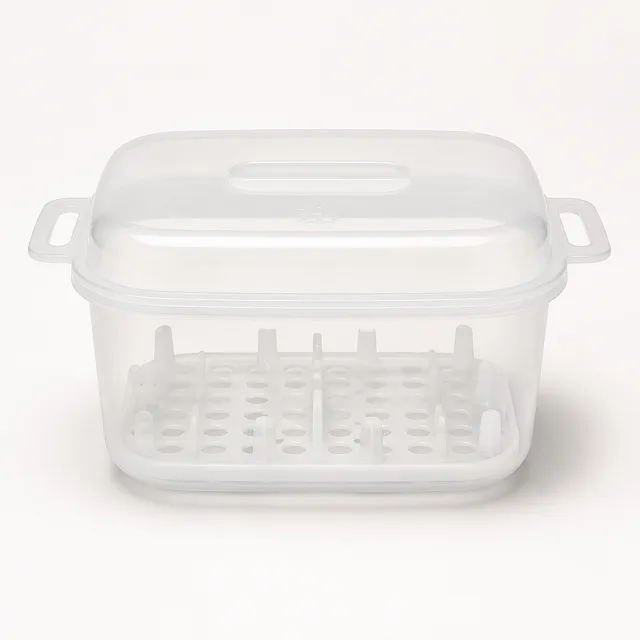
MAM Microwave steam steriliser
Find model on Amazon* - For sterilising and drying
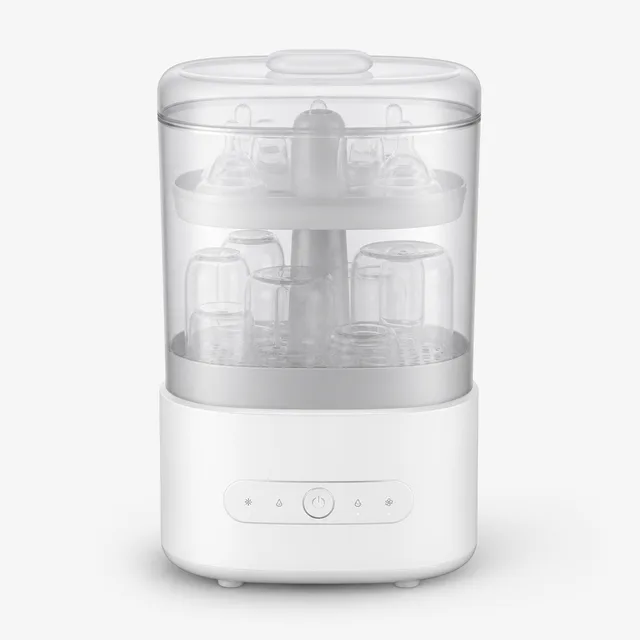
Philips Avent Premium steriliser-dryer SCF293/01
Find model on Amazon* - For a choice of two methods
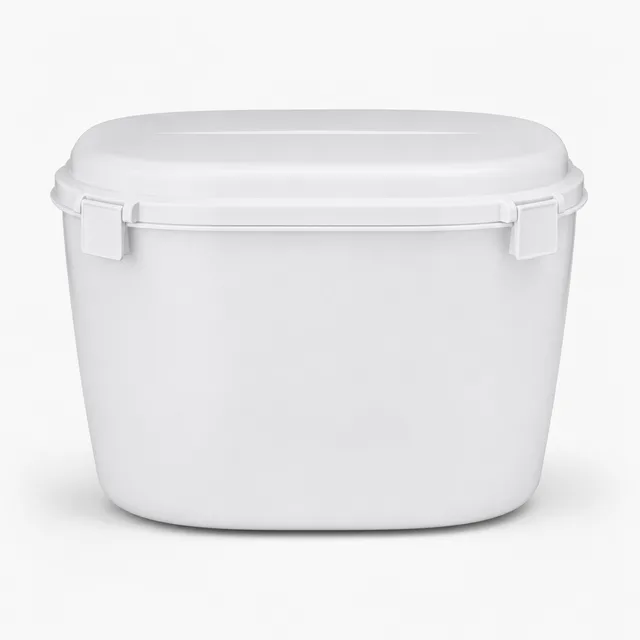
Milton Combi microwave and cold-water steriliser
Find model on Amazon*
MAM Microwave steam steriliser
Amazon UK
A two-level container for microwave steam sterilising that can also be used for cold-water sterilisation. Check the physical fit and your unit's wattage instructions; it has no powered drying cycle.
Check before buying: Must fit your microwave with clearance
Why it's a good thing: Uses an existing microwave without adding an electric worktop unit. Whether it suits you depends on bottle size, clearance and your routine.
- Two baskets for bottles and components
- Also supports cold-water sterilisation
- No powered worktop base
- Must fit your microwave with clearance
- No automatic drying cycle
Philips Avent Premium steriliser-dryer SCF293/01
Amazon UK
Philips specifies a 40-minute complete sterilising-and-drying cycle and capacity for up to six Philips Avent bottles. Compare this exact model if drying is useful enough to justify the appliance.
Check before buying: Needs a socket and worktop space
Why it's a good thing: Published descaling guidance supports routine care. Replacement-part availability and long-term reliability have not been independently verified here.
- Includes a drying function
- Holds up to six Philips Avent bottles
- Model-specific care guidance available
- Needs a socket and worktop space
- Requires descaling
Milton Combi microwave and cold-water steriliser
Amazon UK
A 5-litre container for cold-water sterilising with the specified solution, or microwave steam sterilising. The two methods use different instructions; the cold-water method does not need an electric sterilising unit.
Check before buying: Cold-water mode needs sterilising tablets or fluid
Why it's a good thing: Offers two methods in one container. Allow for the ongoing sterilising-solution cost if using cold water.
- Cold-water and microwave modes
- Holds up to five wide-neck bottles
- No electric base to store
- Cold-water mode needs sterilising tablets or fluid
- Microwave mode still needs a suitable microwave
Which method fits your home?
Begin with the equipment you already own and the number of bottles you actually use. A household using occasional expressed-milk bottles may make a different choice from one washing several bottles each day. Buying the largest appliance is not automatically the most convenient option.
| Your priority | Option to compare | Check before buying |
|---|---|---|
| Use an existing microwave | MAM Microwave Steam Steriliser | Internal clearance, bottle size and compatible settings |
| Add automatic drying | Philips Avent SCF293/01 | Counter space and whether the drying function earns its place |
| Choose between cold water and microwave | Milton Combi | Supplies for the chosen method and space for the container |
These are three documented options, not a claim that every family needs a new product. The NHS also describes boiling suitable equipment as a sterilising method. Follow its full instructions if choosing that route.
What is different about each product?
MAM: measure before ordering
MAM’s UK product page describes its two baskets, draining lid and cold-water option. Capacity depends on the bottles: the brand’s cleaning and sterilising FAQ distinguishes smaller and larger MAM bottles. “Up to six” is not a promise that six of any bottle will fit.
The product page’s headline timing and detailed wattage table differ. We therefore do not advertise a universal cycle time. Use the instructions supplied with your exact unit; if those are missing or unclear, ask MAM before using it. The manufacturer’s care instructions also cover clearance, water measurement, cooling and cleaning. This is a rigid container, not a box that folds flat.
Philips Avent: decide whether drying matters
The SCF293/01 product page identifies the model and its drying function. Its full cycle is longer than a sterilise-only cycle because it includes drying; comparing the headline times alone would be misleading.
Philips provides SCF293 descaling instructions. Check that you are willing to do the required care. We removed claims that spare baskets and seals are readily available because this review has not verified their current UK supply.
Milton: two methods, separate instructions
The Combi product page describes both microwave and cold-water operation. Do not treat their water quantities, timings or handling instructions as interchangeable.
For cold-water use, Milton’s current tablet instructions recommend a rinse with cooled boiled water before use. Milton explains that its rinsing advice changed; older packaging, customer comments and retailer pages may still say “no rinse”. Read the current directions for your exact product. If guidance on your pack differs, ask Milton to clarify it.
Cleaning still comes first
The NHS guidance applies to equipment used for both expressed milk and formula. It says to clean bottles, teats and feeding equipment before sterilising; a dishwasher can clean equipment but does not sterilise it. The NHS recommends sterilising until the baby is at least 12 months old.
For steam units, follow the manufacturer on water amounts, cycle settings, cooling and hot-steam handling. For a cold-water solution, follow the product’s dilution and immersion directions. If your baby’s healthcare team has given you an individual feeding-equipment plan, follow that advice.
What should you check in a retailer listing?
The Amazon buttons open searches, so they can show different generations, accessory packs and sellers. Match the product name and model number, check what is included and read the returns terms. For electric equipment, confirm that the version is intended for UK use.
We do not infer that a secondhand electric unit sterilises correctly because it heats up or looks clean. Obtain the exact instructions and ask the manufacturer about condition, missing parts and recall information before considering one. A new purchase is also worth questioning if your existing method already works for you.
For related feeding decisions, see our sister site CleverMum’s sterilisers and bottle-prep guide. Small Good Things and CleverMum share a team; the manufacturer and NHS links above are the evidence for this comparison.
Sources checked: 7 October 2026. We reduced this guide to three models with sourceable features, removed unrelated high-chair and monitor advice, and corrected unsupported speed, storage, spare-part and resale claims. Manufacturer specifications are not independent germ-removal or durability tests, and current Amazon stock and prices were not verified.
Sources behind this guide
These sources support the comparison; they are separate from the shopping links. Manufacturer statements have not been independently tested by us.
How we choose
Manufacturer product pages, care instructions and NHS bottle-sterilising guidance checked on 7 October 2026. We compare documented methods and practical requirements; we have not tested germ removal, measured running costs, inspected used units or verified current Amazon sellers, stock or replacement parts. This is a research-based review, not a hands-on lab test.
Our values filter: Start with fit, the exact model instructions and your child’s stage. Consider care, condition and continued use; our comparisons do not certify product safety.
Prices change — check the retailer for today's price.
Common questions
- Do I need an electric bottle steriliser?
- No. NHS guidance describes steam, cold-water solution and boiling methods. Choose a method compatible with your feeding equipment and follow its instructions. An electric drying function is an optional convenience.
- Does washing bottles in a dishwasher sterilise them?
- No. The NHS says a dishwasher cleans feeding equipment but does not sterilise it. Clean and rinse equipment first, then use a suitable sterilising method.
- Do Milton-sterilised items need rinsing?
- Milton's current Sterilising Tablets page recommends rinsing items with cooled boiled water before use and explains why its advice changed. Follow the current instructions for the exact sterilising product rather than older retailer descriptions.
- Will a microwave steriliser fit any microwave?
- No. Check the steriliser's dimensions, clearance and supported microwave settings. Use the water amount, cycle time and cooling instructions supplied with that exact model.
- How long should I sterilise my baby's bottles?
- The NHS recommends sterilising feeding equipment, including bottles and teats, until a baby is at least 12 months old. Follow any individual advice from your baby's healthcare team.