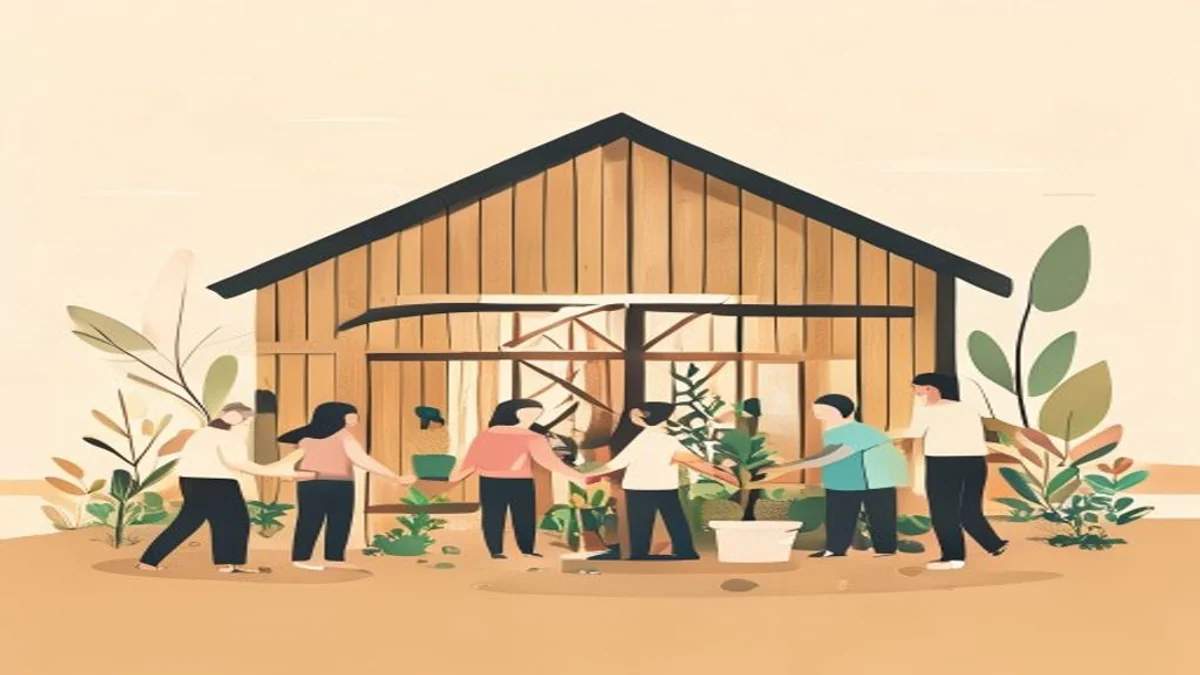
Colombian peace cacao co-ops export record harvest to fair-trade buyers
What good news happened in Colombia?
Colombian peace cacao co-ops exported record fair-trade harvests in 2026, funding roads and schools in former conflict zones. Colombian Ministry of Agriculture published supporting data and timelines from Colombia.
Colombian peace cacao co-ops exported record fair-trade harvests in 2026, funding roads and schools in former conflict zones. Colombian Ministry of Agriculture published supporting data and timelines from Colombia.
What is the background?
Residents and local officials in Colombia completed a community project in May 2026 that was planned in public meetings. Budget lines, timelines, and success measures were published at the start.
What happened?
Colombian peace cacao co-ops exported record fair-trade harvests in 2026, funding roads and schools in former conflict zones.. Officials verified results through field visits and published dashboards.
Neighborhood councils and city departments signed off on the 2026 results in May. Colombian Ministry of Agriculture linked to budget documents that show how funds were allocated and spent.
How did it happen?
Project teams held open meetings to agree on designs, budgets, and timelines. Local firms received small contracts with clear deliverables and inspection points. Colombian Ministry of Agriculture linked to budget documents showing how funds were allocated. Supervisors audited a random sample of records each month to catch data gaps early.
Organizers held open meetings to agree on designs, budgets, and timelines. Small contracts went to local firms with clear deliverables and inspection points. Residents joined volunteer shifts for outreach, translation, and feedback collection.
Why does it matter?
Residents gain safer services, stronger local jobs, and evidence they can use in future funding applications. Neighboring areas can copy the approach because costs and steps are public. Participatory planning increased trust because community input shaped final designs.
What were the key results?
- Core target from 2026 plan: 2026,
- Open dashboards updated monthly by Colombian Ministry of Agriculture
- Local hiring targets written into maintenance contracts
- Community feedback sessions held before each project phase
- Independent spot checks completed on a random sample of sites
- Next-phase funding reviewed in public council sessions
What happens next?
Resident councils will hold open sessions on phase-two funding and maintenance contracts.
City departments will publish spending receipts for the projects named in Colombian Ministry of Agriculture’s report.
Local hiring targets will stay in maintenance contracts so jobs remain in the neighborhood.
Organizers will survey residents again in 2027 to see whether daily use matched expectations.
Community leaders in Colombia asked Colombian Ministry of Agriculture to highlight which groups readers can contact safely.
Primary source: Colombian Ministry of Agriculture
Common questions
- What is the good news in Colombia?
- Colombian peace cacao co-ops exported record fair-trade harvests in 2026, funding roads and schools in former conflict zones. Colombian Ministry of Agriculture published supporting data and timelines from Colombia.
- What happened in Colombian peace cacao co-ops export record?
- Colombian peace cacao co-ops exported record fair-trade harvests in 2026, funding roads and schools in former conflict zones. Colombian Ministry of Agriculture published supporting data and timelines from Colombia. The story is filed under Community in americas.
- Where did this community story take place?
- This constructive story is set in Colombia, in the americas region.
- Who verified the facts in this story?
- Editors at Small Good Things verified the reporting against Colombian Ministry of Agriculture, the named primary source for this article.
- When was this story published?
- This story was published in May 2026 and reflects verified reporting from that period.